Custom Pergolas in Colorado, Built Around How You Use Your Yard
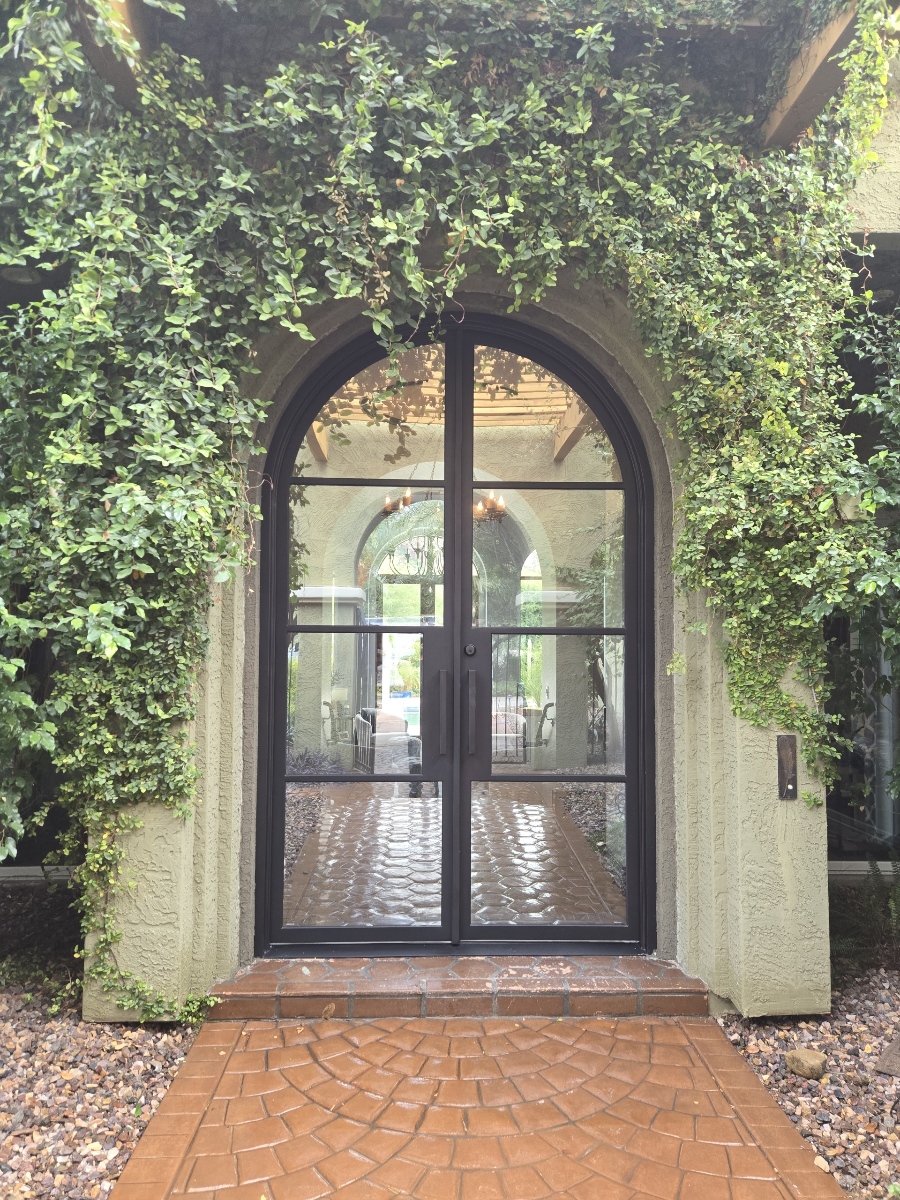
At The Door Dudes, we’re known for our custom doors, but the same craftsmanship goes into our pergolas. The approach doesn’t change much: we look at how a space will be used, then build something made for it instead of forcing a stock size into a spot it was never meant for. We design, build, and install custom pergolas for homeowners across Colorado, from Front Range patios to backyards up in the mountains.
A pergola is a simple idea done well. Posts hold up a frame of beams and rafters, the roof is left open or partly covered, and the structure turns an exposed patio or a patch of lawn into a place you actually want to spend time. What you do with that frame is where it gets interesting.
What a pergola does for a yard
Shade is the obvious draw, though it helps to be clear about what kind. A pergola with open rafters breaks up direct sun and cools the space beneath it without closing you off from the sky. That matters more here than in most places. At Colorado’s elevation the sun is strong, and a bare patio in July can sit unused by early afternoon. Add slats or a louvered roof and you get more control, closer to real shade when you want it.
Beyond sun, a pergola gives a yard structure. It defines an outdoor room, a place for a table, a lounge, or an outdoor kitchen, so the space feels deliberate instead of leftover. It also makes a natural frame for climbing plants, if you like the idea of wisteria or vines softening the posts over a few seasons. And it extends the part of the year you’re comfortable being outside.
Built for your space, not pulled off a shelf
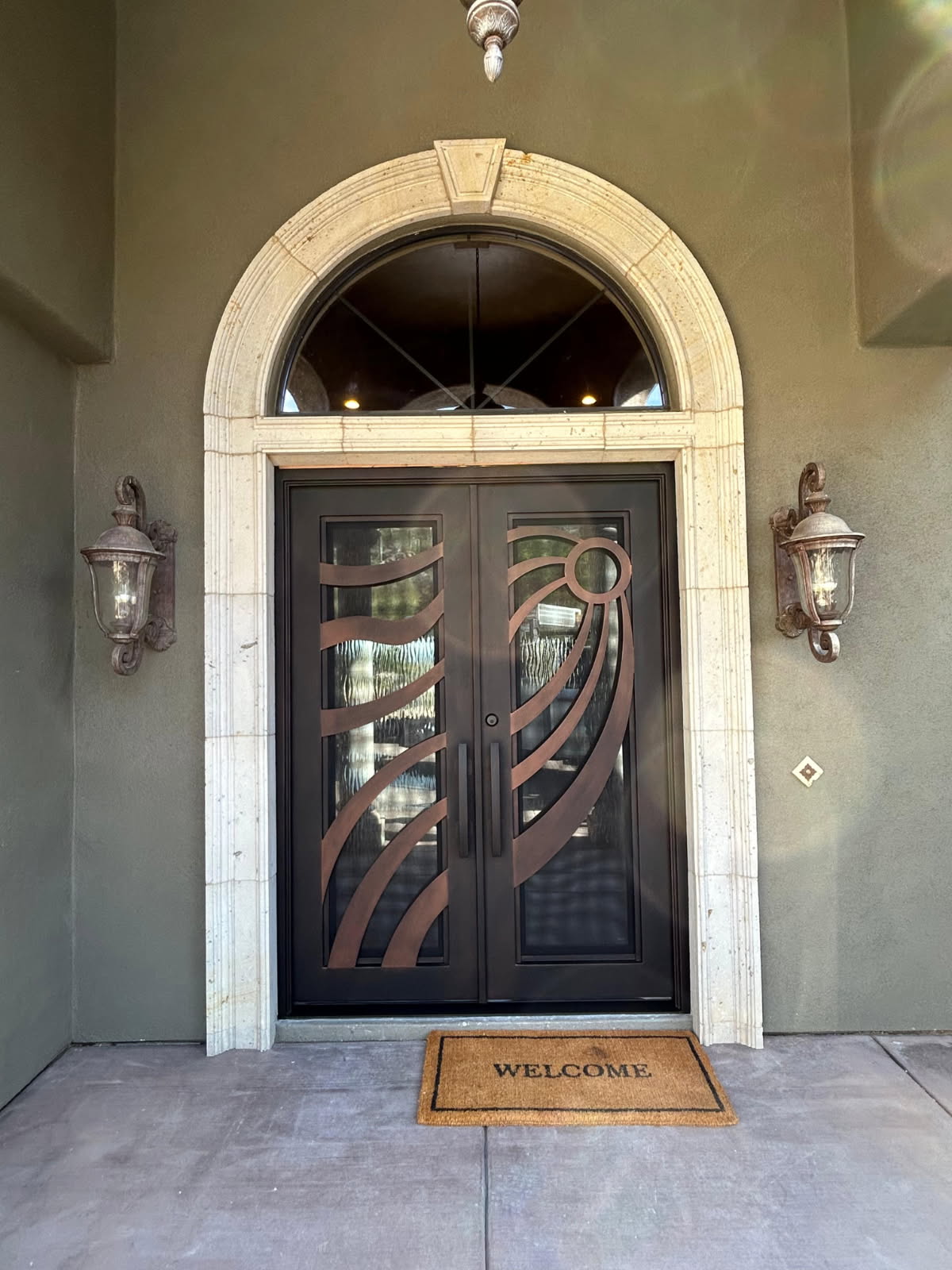
No two yards are the same, so we don’t start from a catalog. A pergola attached to the house, running off a back wall over a deck or patio, solves a different problem than a freestanding one placed out by a pool or a garden. Attached structures connect the outdoor space to the home and feel like an extension of it. Freestanding ones give you the freedom to put it wherever the view, or the shade, happens to be.
Size, proportion, post placement, roof style, and how the structure meets your home’s lines all get worked out for your specific property. A pergola that looks right on a low ranch isn’t the one that suits a tall modern facade, and getting that relationship right is most of what separates a custom build from a kit.
Materials, and the tradeoffs that come with them
We build pergolas in the same materials we use for our doors, which gives you real range. Wood, cedar especially, has the look most people picture: warm, natural, easy to stain or leave to weather over time. It needs occasional sealing to stay its best, and we’ll tell you that up front. Aluminum and steel go the other direction, lighter on upkeep, strong, and available in finishes that read like wood from a few feet away. Fiberglass holds up for years with very little attention.
There’s no single right answer here. The best material depends on your sun and weather exposure, how much maintenance you want to take on, and the look you’re after. We’ll talk those tradeoffs through honestly rather than steer you toward whatever happens to be easiest to build.
How we work
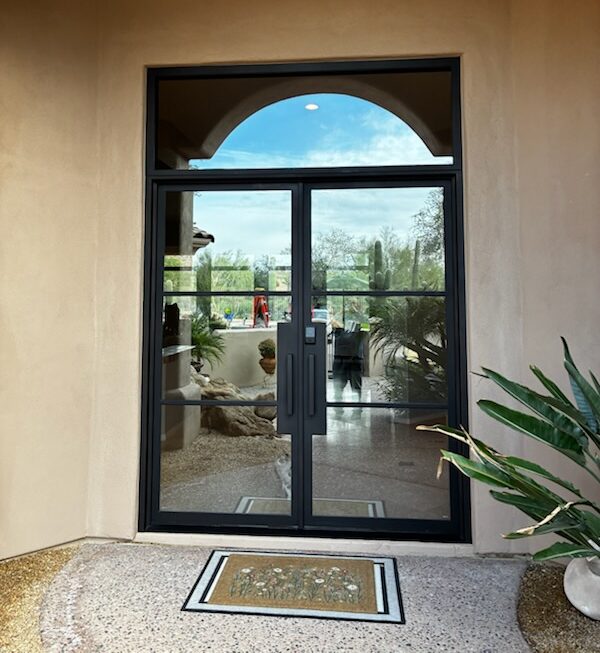
We handle the whole project, from design and build to install. It starts with a conversation about how you want to use the space and ends with a finished structure that’s anchored and ready. Because every pergola is custom, we work out the details around your property instead of running a fixed script.
Worth thinking through before you build
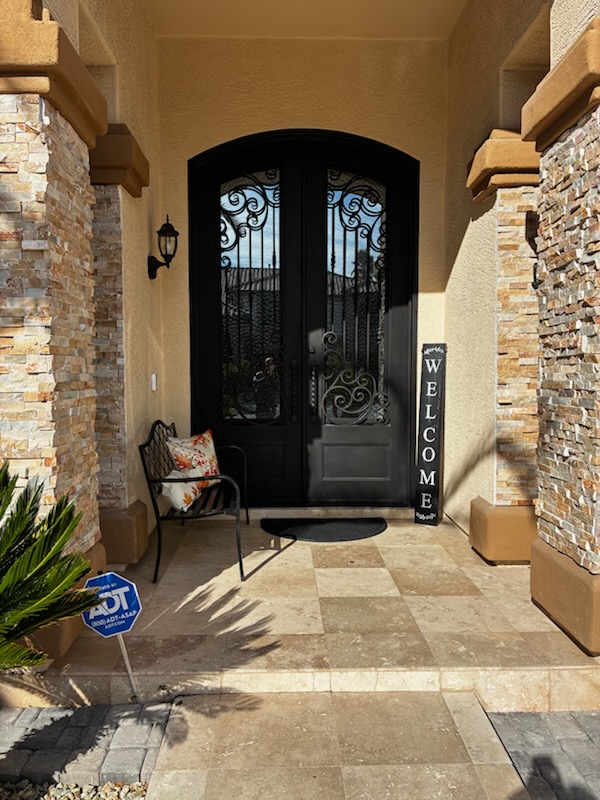
A few choices shape the result more than people expect. Which way the structure faces decides when it casts shade and when it doesn’t. How open or closed you want the roof changes how it handles sun and weather, so it’s worth deciding on purpose. Material affects both upkeep and cost down the road. And in Colorado, snow load is real, so the frame has to be built for winter, not just for a nice afternoon in June. We account for all of it, so your pergola works in every season rather than only the easy ones.
Frequently Asked Questions
What’s the difference between an attached and a freestanding pergola?
An attached pergola connects to your house, usually over a deck or patio, and reads as part of the home. A freestanding one stands on its own anywhere in the yard. Which one fits depends on where you want the shade and how you’d like the structure to relate to the house. We’ll help you figure that out.
Which material holds up best in Colorado?
With the right build, any of them can. Wood looks classic and stains beautifully, though it needs periodic sealing. Aluminum and steel are strong and easy to maintain. Fiberglass lasts for years with very little care. We’ll help you weigh upkeep against the look you want and recommend what fits your home.
Does a pergola give full shade or keep the rain off?
An open-rafter pergola filters sunlight rather than blocking it completely, and it won’t keep you fully dry in a storm. If you want closer to full shade or some rain protection, we can add slats, a louvered roof, or a canopy to get you there.
Can a pergola handle our snow?
Yes, when it’s engineered for it. Colorado winters mean the posts, beams, and connections have to carry a real snow load, which is one reason we build to the site instead of to a generic spec.
Do I need a permit?
It depends on where you live and the size of the structure, since requirements vary by municipality. We can point you in the right direction as part of the project.
Can you match my home’s style?
That’s the whole point of going custom. We shape the proportions, materials, and finish to sit naturally with your home instead of looking tacked on.
Ready to plan your pergola?
If you’re thinking about adding one, we’d like to hear how you picture using the space. The Door Dudes designs, builds, and installs custom pergolas for homeowners across Colorado. Call us at 303-746-7200 or reach out through our contact page, and we’ll help you find what works for your yard, your home, and the way you like to spend time outside.